
Third-Party Booking Sites vs Booking Direct review: sometimes worth it
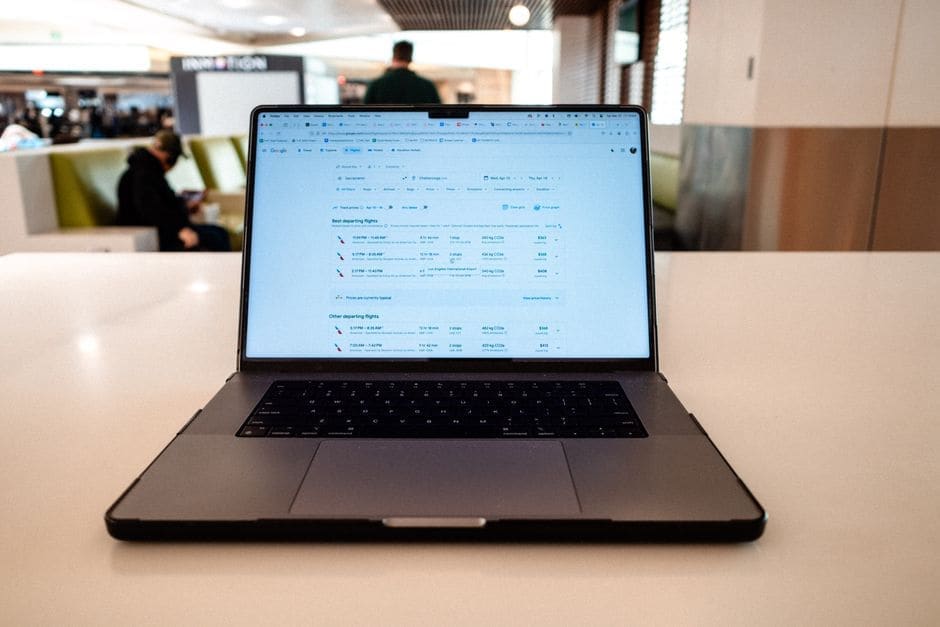
The price on the aggregator is real, but it isn't the whole price. Third-party bookings can genuinely be cheaper — opaque deals and packages exist — yet you pay in a different column: an extra support layer when flights break, loyalty benefits that don't apply, and two companies pointing at each other when something goes wrong. Compare both, and weigh the trip's fragility before choosing.
What we like
- Aggregators are unbeatable as search engines — see the market in one screen
- Genuine savings exist: opaque inventory, package rates, and promotions can undercut direct prices
- For simple, flexible trips, the cheaper price is often simply the better deal
Flaws but not dealbreakers
- When plans break, you deal with the middleman, not the airline or hotel — an extra layer at the worst moment
- Hotel loyalty benefits and status recognition commonly don't apply to third-party bookings
- Changes and cancellations route through the intermediary's policies stacked on the provider's
- Many hotels and airlines match or beat their listed rates for direct bookers — few travelers check
Search on the aggregator, book wherever the whole deal is best — that's the strategy this entire article unpacks. Third-party sites are genuinely excellent at the first half: no hotel or airline website will show you the market the way an aggregator does, and real savings do surface there, particularly in package pricing and inventory providers prefer not to discount under their own name. Anyone telling you to never book third-party is ignoring actual money.
The catch isn't hidden fees — it's ownership of your problem. Book direct and the airline or hotel is your counterparty: their desk can rebook you, their policies are the only policies. Book through an intermediary and there's now a company between you and the provider, with its own support queue and its own change rules stacked on top. On a smooth trip you never notice. On the day of the cancelled flight or the overbooked hotel, the difference between one phone call and two organizations pointing at each other is the whole game.
Worth reading alongside our Sort These Before You Fly: The Pre-Trip Services Checklist before you commit.
Two quieter costs round out the picture. Hotel loyalty programs commonly don't recognize third-party bookings — no points, no status credit, and you're more likely to be last in line when rooms get assigned. And many hotels and airlines publicly promise to match or beat rates for direct bookers, which means the aggregator's price is often available direct to anyone who spends two minutes asking — same number, better counterparty.
The mechanism behind the difference is worth understanding, because it explains every horror story in this category. When you book through an intermediary, the airline's contract is with them rather than with you — so when a flight is cancelled, the airline reissues or refunds to the agent, and the agent passes it on in their own time and by their own process. Airline staff at a desk frequently cannot touch the booking at all, which is not obstruction but a system limitation. That is the entire risk: not that the ticket is worse, but that the recovery path has an extra company in it, reachable only through whatever support channel they operate.
Two situations tip the balance further than fragility alone. Anything involving separate tickets on different airlines — which is how the cheapest multi-leg results are often assembled — means a delay on the first leg is your problem rather than anyone's obligation, whoever sold it. And loyalty programmes generally credit the fare based on the ticket, so anyone accumulating status should check that the cheaper channel does not quietly cost them the accrual, since that can outweigh a modest saving.
So let the trip's fragility decide. Simple, flexible, refundable, one leg? Take the cheaper price wherever it lives; the intermediary risk is mostly theoretical. Tight connections, peak season, a trip where a failure cascades into missed events? The direct booking's cleaner recovery path is worth real money — decide what it's worth before you're spending the difference at an airport help desk. And whichever channel wins, read that channel's current change and cancellation terms before paying, because those terms — not the search results page — are what you actually bought.
Key specs
- Type
- Decision guide — booking channels
- Use aggregators for
- Searching the market and finding the price floor
- Then check
- The provider's own site for the same dates before paying
