
Travel Fees, Ranked: What Buys Something and What's Pure Margin
Travel is a stack of optional fees, and they are not morally equal. Some buy real service, some buy convenience worth having at the right moment, and one buys nothing at all for anyone, ever. Ranking them beats resenting them — because the goal isn't paying zero fees, it's never paying the empty ones.
Third-Party Booking Sites vs Booking Direct
Real savings exist in aggregator inventory — priced against a worse seat at the help desk when things break. Let the trip's fragility choose.
iVisa
For hostile portals, tight timelines, and multi-country paperwork the fee buys real relief. For a simple eVisa, the official site is usually enough.
Airport Lounge Memberships
Clean arithmetic: annual fee versus honest visits. Frequent flyers clear the bar comfortably; everyone else wants a day pass and their money.
Dynamic Currency Conversion (DCC)
The only fee on this list with a one-word verdict. Decline the home-currency offer everywhere, forever, and keep the margin yourself.
The one with a permanent answer
Dynamic currency conversion sits alone at the bottom of this ranking because it's the only travel fee with no legitimate use case. The 'pay in your home currency' prompt is a marked-up exchange dressed as a courtesy, and the public consensus — consumer authorities and card networks alike — is simply to decline it. Local currency, every terminal, every ATM. This is the only entry on this list you never need to think about again.
The ones that depend on frequency
Lounge memberships are honest products for a specific customer: the frequent flyer whose annual fee divides into enough real visits to beat per-visit pricing. The trap is buying on the travel schedule you wish you had — and forgetting to check whether a credit card in your wallet already includes the access. Run the division against last year's actual flights, not next year's ambitions, and the answer usually writes itself.
The ones that depend on the trip
Middleman fees — a visa service's processing charge, a third-party booking's convenience — are the genuinely situational tier. They buy something real: assembled paperwork, a reviewed application, a price found in opaque inventory. They also cost something real: money you could keep by going direct, and, in the booking case, a cleaner recovery path when plans break. The discipline is the same both times: find the direct option's price first, so the fee stands naked, then decide whether this particular trip's mess or fragility justifies it.
Third-Party Booking Sites vs Booking Direct
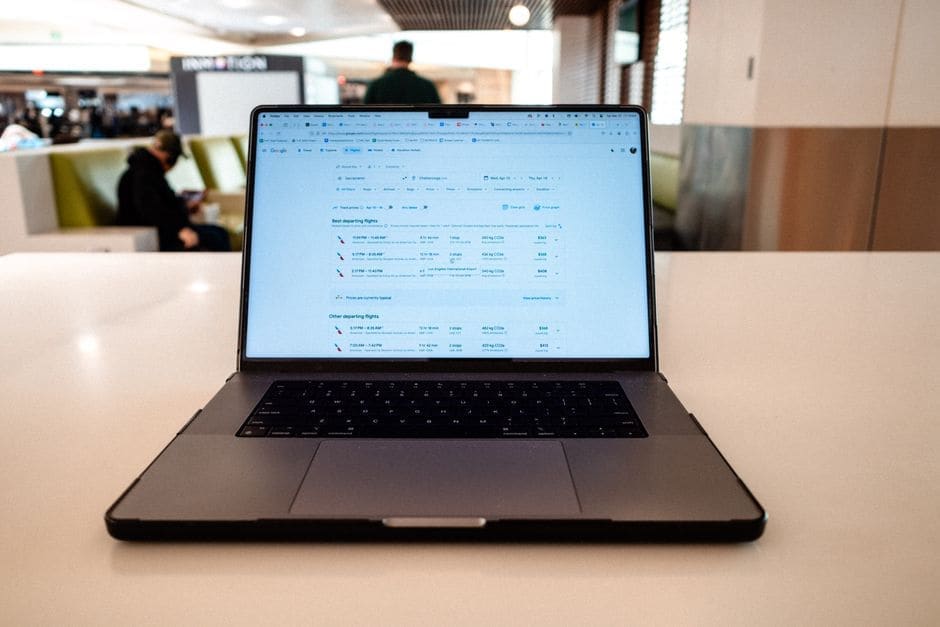
Real savings exist in aggregator inventory — priced against a worse seat at the help desk when things break. Let the trip's fragility choose.
What we like
- Aggregators are unbeatable as search engines — see the market in one screen
- Genuine savings exist: opaque inventory, package rates, and promotions can undercut direct prices
- For simple, flexible trips, the cheaper price is often simply the better deal
Flaws but not dealbreakers
- When plans break, you deal with the middleman, not the airline or hotel — an extra layer at the worst moment
- Hotel loyalty benefits and status recognition commonly don't apply to third-party bookings
- Changes and cancellations route through the intermediary's policies stacked on the provider's
- Many hotels and airlines match or beat their listed rates for direct bookers — few travelers check
iVisa

For hostile portals, tight timelines, and multi-country paperwork the fee buys real relief. For a simple eVisa, the official site is usually enough.
What we like
- Turns scattered, badly translated government requirements into one clear checklist
- Reviews your application before submission — the value is in mistakes not made
- One familiar interface across many countries instead of a new portal each time
- Handles supporting extras like compliant photos alongside the application
Flaws but not dealbreakers
- Every application can be done cheaper directly through the official government channel
- Service fee comes on top of the government fee — the total is easy to misread as the visa's cost
- For simple eVisas, the official portal is often easy enough that paying help adds little
- Processing-time promises still depend on the government behind the curtain
Airport Lounge Memberships

Clean arithmetic: annual fee versus honest visits. Frequent flyers clear the bar comfortably; everyone else wants a day pass and their money.
What we like
- For genuinely frequent flyers, membership beats per-visit pricing on arithmetic alone
- Long layovers convert lounge access from luxury to working infrastructure
- Credit cards often bundle access — the cheapest membership is one you already hold
Flaws but not dealbreakers
- Occasional flyers almost never fly enough for the annual fee to win against per-visit passes
- Crowding at busy hubs is widely reported — entry caps and queues at peak times undercut the product
- Lounge quality varies enormously between airports under the same program badge
- The aspirational pull of membership is exactly what makes people skip the arithmetic
Dynamic Currency Conversion (DCC)

The only fee on this list with a one-word verdict. Decline the home-currency offer everywhere, forever, and keep the margin yourself.
What we like
- The defense costs nothing and requires no product, app, or signup
- One habit — always pick local currency — covers card terminals and ATMs alike
- The consensus against DCC is public and boring: consumer bodies and card networks agree
Flaws but not dealbreakers
- The prompt is engineered to make the bad choice feel safe — 'your' currency reads as the careful option
- Screen wording varies endlessly, so you have to recognize the trick, not memorize a phrase
- ATMs are the highest-stakes version, and the decline button is often styled to look alarming
- Tired, jet-lagged, at a checkout queue is exactly when the trap is sprung